
Looking for a new adventure? Let me share why the Cornish Coast Path is such a fantastic choice, full of vivid, first-hand details from someone who has walked the walk in all seasons, yes, including Winter.
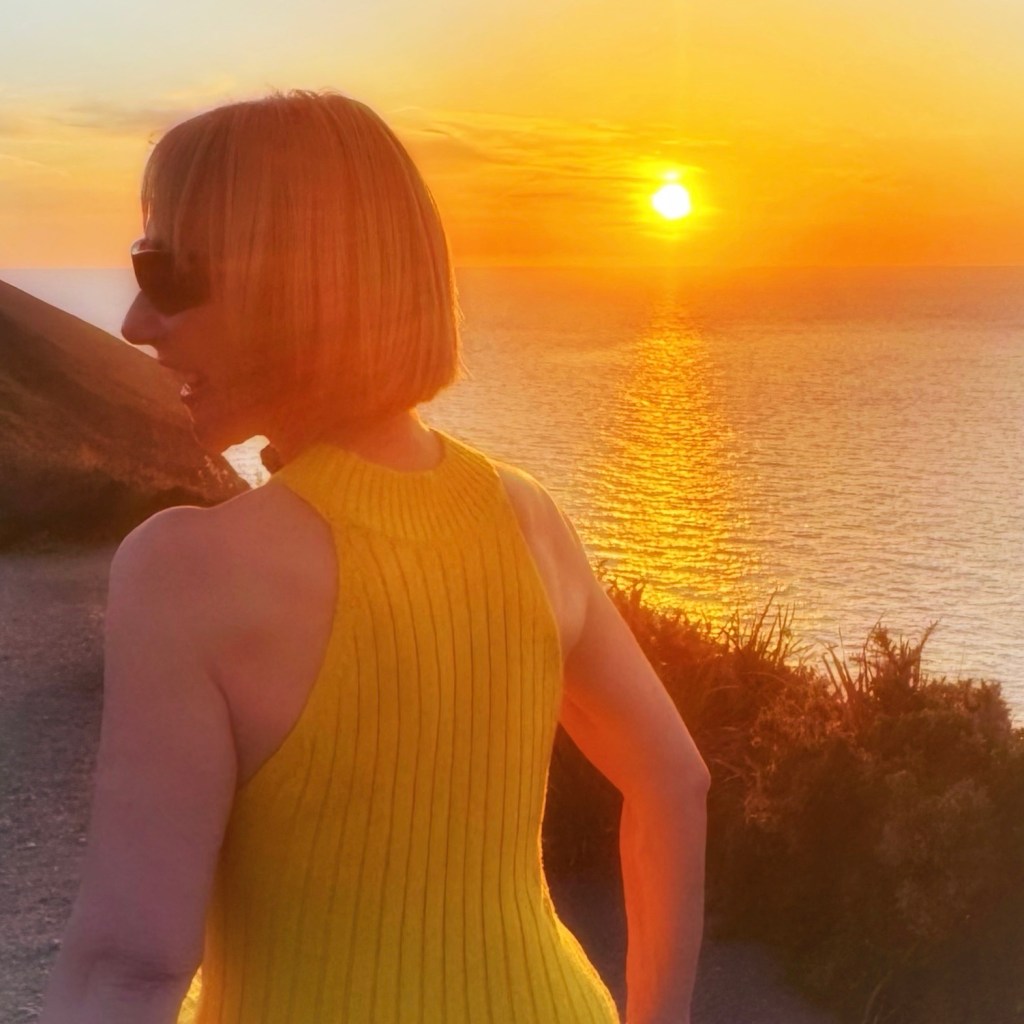
Let’s start with some practical facts. The Cornish Coast Path stretches over 300 miles (480 km), winding along England’s beautiful southwestern coastline. It’s a cliffside trail that takes you through lovely coves and beaches that can rival those in the Caribbean. More than just a walk, this adventure surrounds you with a stunning landscape shaped by the powerful Atlantic Ocean—where every step reveals wild, breathtaking scenery, a deep sense of history, and an exciting array of sensory experiences.
Everyone has their preferred timeline. On my walks, I’ve encountered many hikers who, like me, have completed the trek in sections over months or even years. I’ve also met those walking the entire South West Coast Path in one go and others walking from Land’s End to John O’Groats. Whatever your journey, I hope you find this blog useful insight.
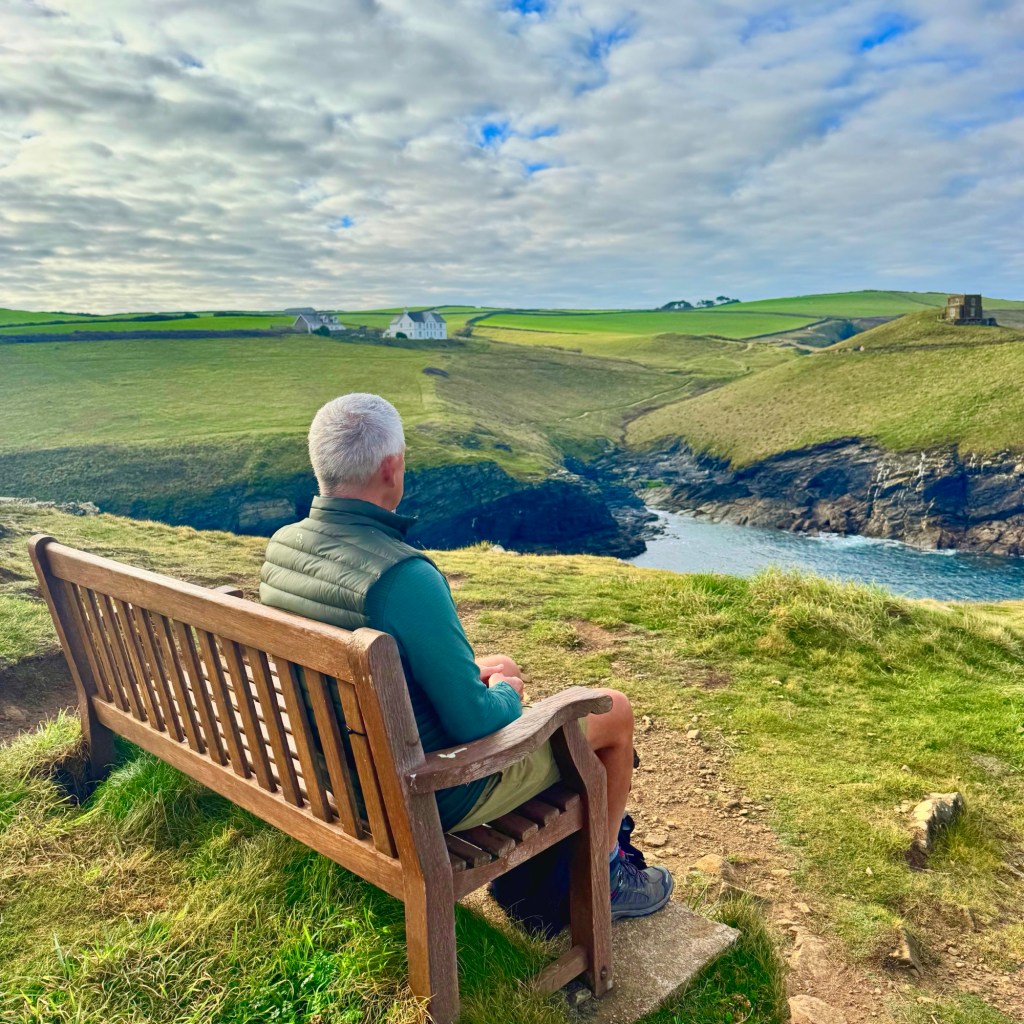
The most common itinerary usually includes 30–35 stages, each designed for an average walker covering 8–15 miles (13–24 km) daily. Be ready for notable elevation gains, often around 2,000–3,000 ft (600–900 m), due to the terrain’s lively ‘rollercoaster’ nature. Each stage typically concludes in a quaint town or village, offering charming options like B&Bs, pubs or some of the best camp sites in the UK. You can choose to hike from west to east or vice versa; just keep in mind that the north coast is more rugged and exposed, while the south provides a richer variety of scenery.
So, why choose the Cornish Coastal Path? Here are my 11 reasons why this walk might just steal your heart. From my own experience, being surrounded by nature feels incredibly revitalising. I’m now semi-retired, but back when I was working full-time in London, our walking holidays in Cornwall made a much bigger difference in relieving my stress than other trips. Anyway, I’ll stop rambling now- you get the idea. Here we go!
- Imagine towering cliffs dropping into sparkling, turquoise seas, where waves crash with a mighty roar. At Land’s End, the path gently nudges you to England’s westernmost tip, with the Longships Lighthouse standing proudly through the mist like a brave sentinel from a fairytale.
- As you explore, you’ll find secret coves and hidden beaches. Kynance Cove features serpentine rocks and shimmering pools that sparkle under the sun. Meanwhile, Porthcurno boasts white sands and bright aquamarine waters that are often voted among the best beaches in the UK. On hot days, we often stop for a quick dip, so be sure to have your swimmers in your bag at all times.
- Headlands such as Cape Cornwall or Tintagel offer breathtaking views where the horizon seems to go on forever. Watch seals lounge on rocks and gannets plunge like arrows into the foam. Sunsets here fill the sky with fiery oranges and purples, turning the trail into a golden ribbon of memories.
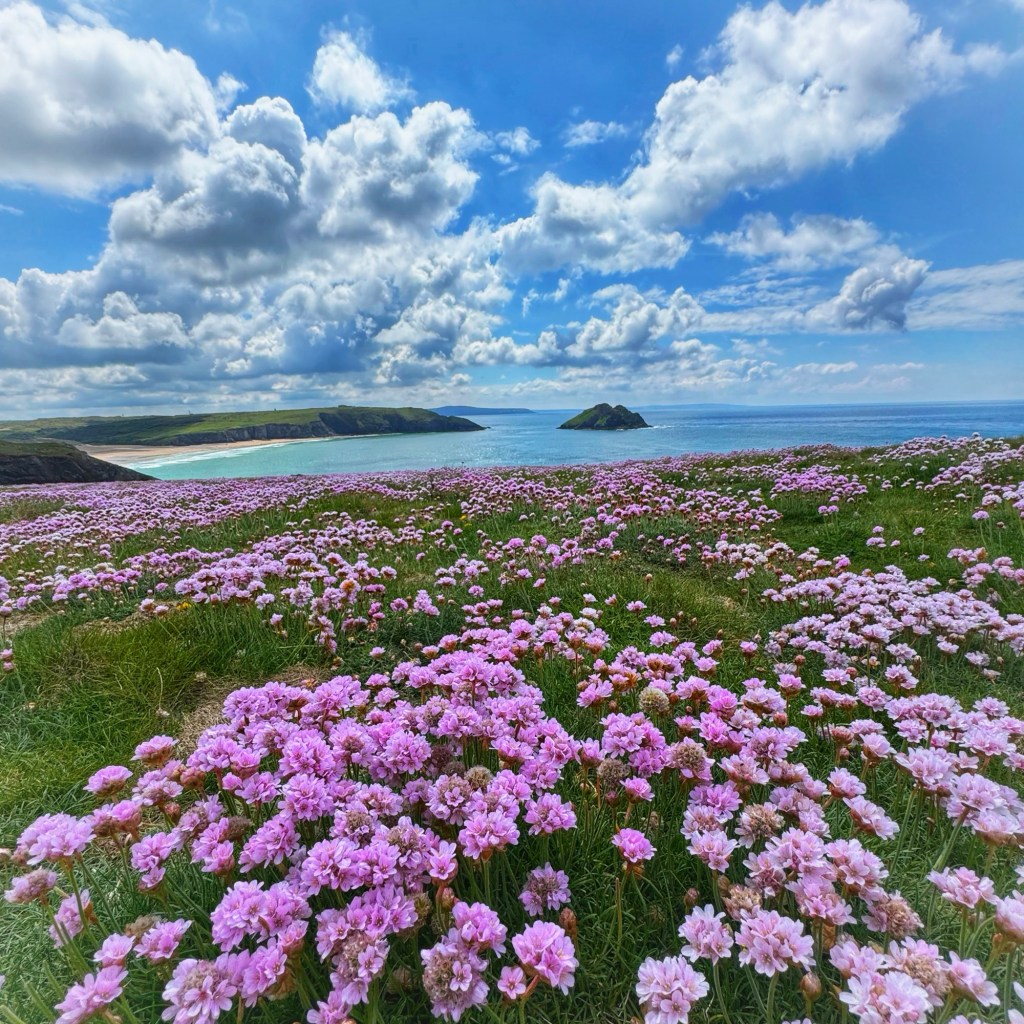
- The air buzzes with the scent of salt and wildflowers, apart from in Winter when you get covered in sea salt. In spring, the land is alive with carpets of heather, gorse, and thrift, bursting with vibrant purples and yellows, buzzing with busy bees and fluttering butterflies. Summer wildflowers fill the air with lovely scents, and come autumn, the bracken turns a warm russet hue.
- The sounds of roaring waves, calling gulls, and seals’ distant breaths create a lively wilderness symphony. At night, under starry skies—the dark skies of Cornwall are perfect for stargazing—the path feels enchanted with whispers of the night.
- Keep an eye out for playful porpoises jumping through waves, soaring ravens overhead, and rare choughs with their striking red beaks. In spring, adorable puffins nest on offshore islands like the Isles of Scilly, just a ferry ride away.
- Walk in the footsteps of old Bronze Age miners at Botallack’s Crowns Engine Houses—haunting ruins perched on cliff edges, remnants of 18th-century tin mines that once powered the Industrial Revolution.
- Explore Smuggler’s coves, like Perranporth, where stories of secret brandy runs echo through time. Meanwhile, Tintagel Castle, linked to King Arthur, rises dramatically from the cliffs, its jagged ruins creating a sense of Camelot amidst the crashing surf.
- Discover ancient Iron Age forts and medieval chapels dotted along the route. Don’t miss the Minack Theatre—an open-air amphitheatre carved right into the cliffs in the 1930s, where performances echo over the sea below.
- Savour delicious Cornish pasties—hearty pastries filled with beef, potatoes, and swede—served at cosy harborside inns, often paired with local ales like Skinner’s Betty Stogs. Fresh catch like lobster, crab, and mussels are grilled over beach fires in charming spots like St Ives. The seagulls do like to join you, so be on your guard.
- Finally, don’t miss the charming whitewashed fishing villages with flower-draped cottages and narrow lanes. St Michael’s Mount is also a “must”, a tidal island castle that’s accessible at low tide, offering a magical glimpse into Cornwall’s rich history.
And there you go! That’s why hiking in Cornwall is such a great choice, with these wonderful reasons to give it a shot. Take that well-earned break from work, grab your boots, and get ready for an adventure! Hiking holidays let you earn your pints, while beach holidays can leave you sandy and sunburned. It’s all about enjoying the best of both worlds!
Happy Exploring xxxx until next time.

 Living-your-best-life