Lockdown

This week, I have received many questions from my blog readers asking how I keep up my exercise regime during the lockdown.  Not only is exercise very important to me, but it also helps to alleviate the pain of my autoimmune disease, Ankylosing Spondylitis.  I also believe that if I suffer from Coronavirus, I want to be as healthy as possible to fight it. 

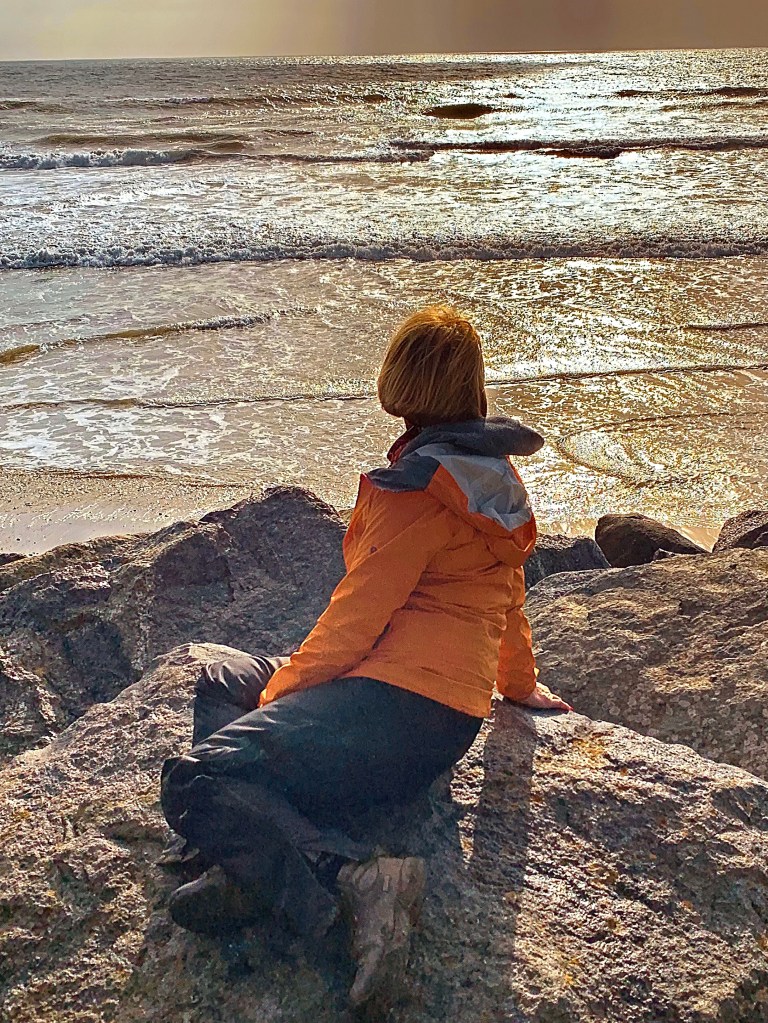
So, the answer is that I do five 40-minute workouts per week in our “homemade” gym.  There are some great fitness instructors online helping us to come up with innovative ways to use our own body weight in our workouts.  Our home gym workout now extends to using everything around us, including our stairs, chairs and garden steps.  In addition to these five weekly workouts, we walk from home daily.  We’ve found some beautiful circular walks in our local area, and last week, I averaged around 18,000 steps per day. 

I’m sceptical about most things I read online these days.  I don’t believe anything written in our newspapers as journalists put whatever spin on a subject to fit their political agenda.  But if you stick to journals (like The New Scientist) and regulated bodies, their information will be more accurate.  This is because they need to be peer-reviewed. This means that other academics have read them before publication and checked that they are making claims backed up by their evidence.

Therefore, I have taken the advice from the Centre for Perioperative Care (CPOC) experts, who say that keeping healthy will help reduce the risk of becoming severely ill with the virus.  Fortunately, most people who get the virus are sick for about a week before improving. However, that’s when the more dangerous symptoms kick in for others.  It appears that the virus can migrate down into the depths of the respiratory tract, and when the virus reaches the lungs, pneumonia begins, and I want to be as strong as possible in case that happens.

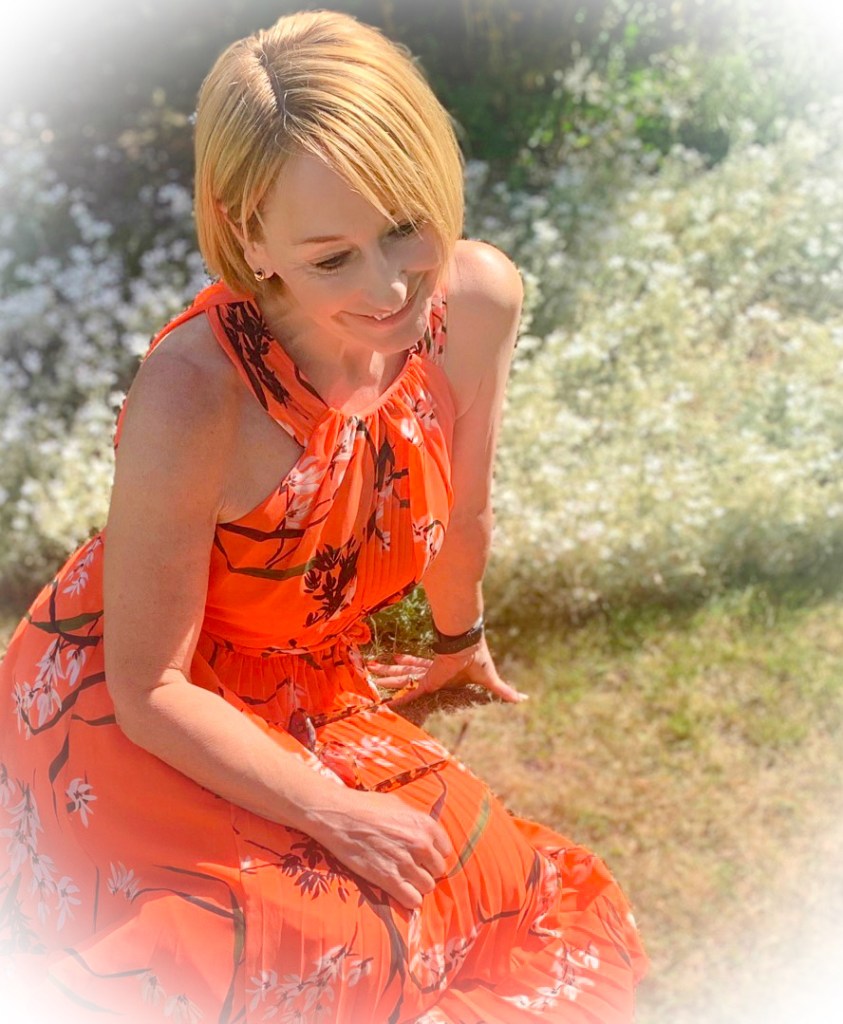
In addition to keeping healthy, I’m keen to keep up my beauty regime!  I’m fairly low maintenance as I’m mostly a DIY girl.  I’ve never visited beauty salons, I don’t have sunbed sessions or spray tans, I don’t have hair extensions or false lashes, and I do my own eyebrows, nails and waxing; however, DIY is not something I do for my hair.  I have always budgeted to visit the hairdressers every 6 weeks.  I have no idea what my real hair colour is, and I’m not keen to find out.  So, I’ve bought myself a hair dye from Boots, which will arrive around the 28th of April, so I’ll reveal it all after this necessary experiment!  If you notice that my social media account has gone quiet, it will be apparent something has gone very badly wrong!  Jamie has also offered to cut my hair, and we’ll be watching some “YouTube” videos first!

Our virtual social life also picked up a bit this week.  We had a great FaceTime call with our friends over a bottle of wine last Saturday night.  We all dressed as if we were going out, and I enjoyed both the dressing up and the chat.  Another friend organised a Zoom quiz (6 teams), which was good fun, and so lovely to see everyone.

In Covid World, the other regular daily event is to watch the briefing from the Government.  One of the journalists asked what we might have done differently as a country knowing what we know now, and it got me thinking about hindsight. 

There is probably an event in our lives every week when with the benefit of hindsight – the wisdom that comes from viewing actions after seeing the consequences – we think we shouldn’t have done that or should have done it this way instead.

But when it comes to life-changing situations like the Coronavirus pandemic, is 20:20 vision after the event fair for official bodies to assess where the fault lies?   Will that process of re-examination go too far? Or is it the only way we learn lessons for the future?

I don’t have the answer, and the question is too big to think about without breaking it down into manageable pieces.   I guess we all reflect on the things we could have done differently.  However, I also realise that if we spend too much of our life regretting our past, our biggest regret will be that we didn’t focus our time and energy on changing the present and the unwritten future.

During my sales training, I was taught that if you don’t have a plan, you won’t achieve your dreams, which I have always stuck by.  So, spending time planning our present and future seems like a much better idea.

Every goal and every dream must take the form of a plan. The old saying “get what you plan for” is so true. Your dream won’t just happen. You must sit down regularly and plan your strategy for achieving the dream. Think through all of the details. Break the whole plan down into small, workable parts. Then, set a time frame for accomplishing each task on your “dream plan.”  These plans don’t need to be complex; wanting to live a healthy, happy life with family and friends is a wonderful ambition.  However, being fit and healthy takes a lot of hard work, and it also means making big changes to daily life.  A plan is even more important when you have an illness or an autoimmune disease, as the focus is often on the disease itself.

The plan is also iterative.  Jamie and I had our remaining work years, and our retirement plan worked out.  When I was diagnosed with ankylosing spondylitis, I thought my retirement might look very different, especially if the disease progressed and my mobility was affected.  Six years after that diagnosis, my situation is still OK, even though the disease is active.

I planned to start taking biological drugs to slow its progression.  I suffered an allergic reaction to the drugs on the first attempt and, after waiting 2 years for a new natural, Coronavirus has intervened.  I was due to start taking them a few weeks ago, and I chose not to as I didn’t want to weaken my immune system, thereby changing our plan again.

Even when we have to change our plan, it’s not the end of the world.  Embracing change is no fun, especially when you look forward to achieving those dreams.  But often, something like Coronavirus comes along, and it changes everything.  Change happens to us all—it’s simply a part of life. And while some change is undeniably good, we often face disruptions that certainly don’t feel welcome at the time.

We are all capable of changing, but often, we are unwilling to acknowledge the need to do so.  Among those who do, often, we don’t do what is necessary to make it happen. 

Keep safe, start on a plan to achieve your dreams and embrace change.

Captain Tom Moore is my new hero until next time, xxx

Unwelcome Visitors

A friend used to tell me about an unwelcome relative who visited her at home and gave her more grief than joy. We would chat about her anxiety before their arrival, and she could hardly wait for their departure.  I now use this metaphor to describe my autoimmune visitors, unwelcome guests who seem to drop by uninvited and unannounced.  These include Raynaud’s phenomenon, ulcerative colitis, allergic rhinitis and the one I dislike the most, purpura, which is my worst nightmare.

As with all autoimmune diseases, having one means it is more common to suffer with others.  There are more than 80 different autoimmune diseases, and according to a study carried out in 2014, women get autoimmune diseases at a rate of about 2 to 1 compared to men — 6.4 per cent of women vs 2.7 per cent of men.

In this latest blog, I was going to talk about the effect these visitors have on me, but, as of yesterday, that changed as I have an “update”, so I’ll talk about that instead and then cover only one of my visitors in a bit more detail.

Last week, I spoke about being nervous about starting my new biological drug.  My baseline blood tests had gone walkabout, so I had hoped there might be a convenient delay.  They have been found, and my new biological drugs are arriving on Wednesday.  I will be under the care of HaH (Healthcare at Home), and my first injection will take place on Monday, 23rd March, under the supervision of a nurse.

To say I’m nervous is an understatement, as these drugs will lower my immunity and increase my risk of contracting Coronavirus.  After my last episode with Humira, I am also nervous about suffering another allergic reaction.   However, I am also grateful for the opportunity to take these drugs, as they can be life-changing. I am excited about living without the challenges I tolerate today.

I appreciate everyone handles worry and stress in different ways.  Because I have an overactive mind, I have learnt to manage my worries to reduce my stress in a way that works for me.  I have several compartments that I allocate “worries to” – a family compartment, work, health, finances and miscellaneous and each worry gets parked in its appropriate compartment until I can deal with it 😊. 

Last year’s “work” compartment was overflowing; we had some bad luck, which affected one of our largest clients, and, whilst it was outside our control, I still don’t like letting people down.  Currently, my “health” and “family” compartments are up to maximum capacity as we wait to see the impact of Coronavirus.  The stock market has also taken a nosedive, so the finance compartment is full, and the retirement plan is on hold for a while.

When I read the self-isolation criteria about the Coronavirus, it made me realise that people with autoimmune disease live with some of these symptoms every day, such as fatigue, muscle aches and a lack of energy.   That, combined with my rhinitis and asthmatic cough, I need to be careful about getting the balance right between self-isolating for the rest of the year and only when I need to 😊.

I mention all this because one of my unwelcome visitors arrives when I am more stressed than usual. Purpura, also called blood spots or skin haemorrhages, refers to purple-coloured spots that generally appear on my arms.

Purpura occurs when small blood vessels burst, causing blood to pool under the skin, and I get these lovely purple patches on my skin that range in size from small dots to large areas that cover my lower arm.  I am thought to have it because of my low platelet levels, which can cause bruising and bleeding.

This particularly unwelcome guest mostly arrives in Spring and Summer!!  It would come in Autumn and Winter when I covered my arms if it was a more thoughtful visitor.  But NOT Purpura, here’s the sun, look who’s come – “Hello Purpura, what a surprise to see you”.    I would share a picture, but I don’t have it now as I am still in jumpers.  As soon as it warms up, Purpura will turn up, and I will share some pics of this delightful addition to my Spring and Summer wardrobe.

On a more serious note, we live in challenging, unsettling times, and many people will have much bigger dilemmas than mine. 

Keep safe, everyone; make wise decisions and don’t buy too much toilet roll as we are down to our last 4 rolls, and I can’t find it anywhere.

Until next time, wish me luck xx.

The Big Decision

Hello, and welcome to my blog. This month, I’m going to chat about decisions.

Most of our day-to-day decisions are pretty low risk: what to have for breakfast, what to wear for work, whether to have a glass or a bottle of wine?  But even deciding on our wine consumption doesn’t change our lives (unless we are down more than our recommended units 😊).  So, it makes sense to me that big, higher-risk decisions can be stressful, like the one I am currently contemplating. 

I don’t generally shy away from making decisions, and during my career, I’ve had to make many, some very difficult.  I admit my decisions have not always been right, but at least I made them and “hopefully” learnt from my mistakes.  There’s a lot of research to suggest that wise decision-makers can be more successful in life. Still, I think people who don’t procrastinate and make relatively quick, informed decisions are the most successful, even if their road to success is bumpy.   Sometimes, you can overthink and lose an opportunity.

So, I am today faced with a big decision involving Coronavirus.  As you can imagine, my good friend Dr. Google is having a field day with this one and through this blog, I will explain my dilemma and bring you up to date on where I am now.

I do not normally worry about media hype and a stock market crash. Still, I have had to put my “sensible” hat on for this decision and consider the implications more carefully. 

My disease is currently active, and my blog readers will know that 2 years ago, after securing funding for a biological drug, I suffered an allergic reaction.  This was a huge setback for me as the natural drugs can slow down the progress of my ankylosing spondylitis.   However, my Rheumatologist has now secured funding for me to try a different biological, Secukinumab, which I can’t pronounce.

I am nervous about the prospect of another allergic reaction and don’t particularly relish the thought of visiting A&E again. Still, I’ve been assured the risk of this happening is very low, and it’s not my main concern.

A main side effect of taking biologic medications is that they suppress your immune system, and you put yourself at risk of infection.  Biologic medications change how our immune system works, and whilst it will help control my inflammatory disease, it will affect my natural ability to fight off an infection. 

I also suffer from asthma; people with AS are at a higher risk of developing it.  Ankylosing spondylitis can also cause pulmonary problems, which include lung disease and ventilatory impairment due to chest wall restriction.  So, taking all this into account, it’s not the lower immunity itself that’s my main concern; it’s more a combination of my pulmonary issues and what we know about Coronavirus causing respiratory tract infections. 

To understand Coronavirus better, I decided reading most media hype was pointless.  Jamie reads New Scientist, which has been a good source of information for us.  I have also taken advice from my Rheumatologist and NAAS (The National Ankylosing Spondylitis Society).  There appears to be a relatively high risk of developing serious complications in people with underlying conditions such as asthma.  That, coupled with my age and a lower immunity due to the biological, is somewhat concerning.  Having worked all my life and saved for retirement, I would be pretty miffed if I got really ill before I could enjoy it.

That said, after careful consideration, I’ve decided to start on the biological as soon as I receive it.  Living with chronic pain is challenging, and I don’t want to procrastinate and lose the funding.

However, after my week of contemplation, I received a phone call from the hospital a couple of days ago, and it looks likely there may be a delay in receiving my biological medication after all.   It appears my baseline blood tests may have got lost 😊.  Under normal circumstances, this would be frustrating, but I don’t feel too upset about it or the prospect of another round of blood tests.  I’d had enough blood taken to fill 20 little test tubes last time, and I can’t help wondering where they are.

On the plus side of the debate, there is evidence to suggest that people who are HLA-B27 positive (like me) demonstrate increased natural immunity toward several viral infections, such as HIV-1, hepatitis C and influenza, although whether this natural immunity carries over to coronavirus has not been studied so perhaps it’s not all doom and gloom.

Regarding the Coronavirus, I am fascinated by the panic buying of toilet rolls in Australia.  In the UK, chicken is very important in our fight against Coronavirus; Sainsbury’s has been out of stock for days.  The shelves are also completely decimated of pizza dough and pasta.  There was no Nurofen, and you couldn’t buy hand gel for love or money. 

So, is it all media hype and panic or will this be an event we will only see once in our lifetime?  Will I get my biological drug soon, and will the biological affect my ability to avoid Coronavirus?  Will I suffer another allergic reaction, and more importantly, will Jamie and I be able to go on our holiday to France in July?  

Only time will tell.

Keep safe, and thank you for reading my blog until next time xx.