The greatest weapon against stress

This month’s blog is somewhat more serious than my usual style. It’s also very late! My creative writing skills have been missing, but here’s hoping they’ve returned, or this may be a dull read.

During a recent TV interview, Prince Harry said he’d lived most of his childhood in flight-or-fight mode.  I found these comments interesting as I researched this physiological response to fear as I’d experienced it recently.  I’m not going into detail other than to say that my Dad recently died after an accident, and the last six weeks have been a bit of a blur.

Jamie and I were overseas when I first learned of Dad’s accident.  My body immediately went into fight or flight mode.  I didn’t realise it then, but this fight or flight response is an automatic physiological reaction to an event we perceive as stressful or frightening. 

There are three stages of fight-or-flight: Alarm, Resistance and Exhaustion, and it’s thought to be a healthy response by the body to help deal with a crisis.  It didn’t feel “healthy” to me at the time. The alarm is the initial response, an adrenal surge, to deal with the trauma. Resistance comes next when the significant ongoing stress causes the body to remain constantly primed for action. This stage can last for long periods.  This then leads to the final stage – exhaustion or burnout, which I think is where I am now.  It has also exacerbated my autoimmune disease.

The term “fight-or-flight” represents our ancient ancestors’ choices when faced with danger: to fight or flee. Either way, the stress response prepares the body to react to the threat and is mostly considered good.  However, because the fight-or-flight response happens automatically, it can be inaccurate. Sometimes, we respond this way even when there is no real threat. This is because both real and imaginary threats can trigger the fight-or-flight response.  Phobias are good examples of how the fight-or-flight response might be falsely triggered, meaning people can live in this mode for much of their daily lives. 

Constantly being in a state of fight-or-flight is incredibly harmful to our overall well-being. Imagine feeling stressed all the time, and the sad fact is that many people do. Fortunately, there’s much research aimed at helping people find ways to combat stress and live healthier, more productive lives. By learning more about the fight-or-flight response, health professionals have developed new ways to help people deal with their natural reactions to stress, positively affecting those who constantly suffer from stress and anxiety in their daily lives.

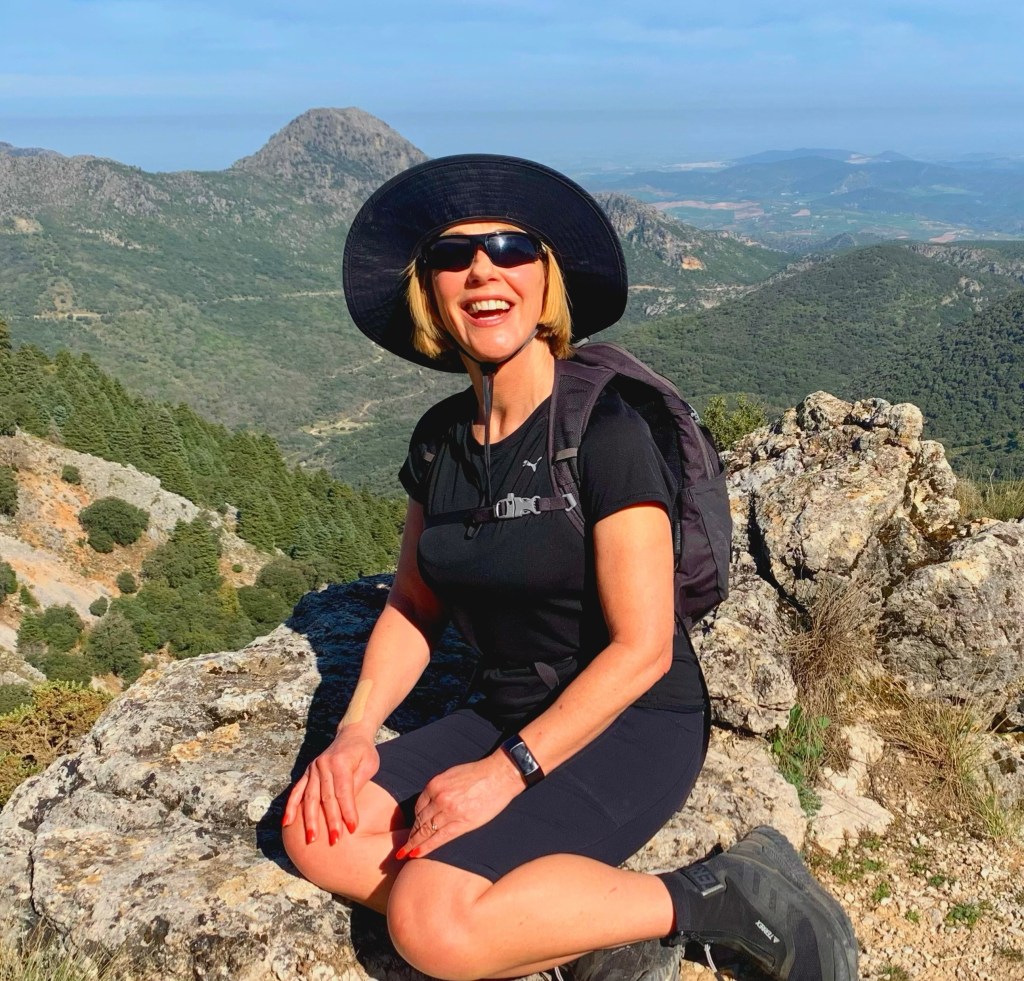
On a brighter note, we’re off on a walking holiday in a few weeks.  We’ve booked a self-guided trip in the mountain ranges of Andalusia with luggage transfer, so we’ll only have our day sacks to carry.  It’s a first for us, so I’ll write a travel blog on our return with our adventure’s ups and downs.  Jamie’s keen on Everest base camp next.  I’m eager to see how we get on in Andalusia first 😃

Before I leave, I thought I’d share a tactic I’ve recently learned which has helped my mind enormously.

“The greatest weapon against stress is our ability to choose one thought over another.  It takes much practice, but you’ll get there in the end.”

Until next time..xx

The A Word: 9 life lessons we learn too late!

We’d all be mega-rich if we knew things ahead; imagine if we could predict the lottery numbers!  Unfortunately, we can’t, but perhaps some of our mistakes along life’s journey help us make better decisions today. Here are my top life lessons I wish I’d learned earlier 😊.

Before you read, I must point out that my list is very practical. We read stuff daily telling us to walk our own path, make every moment count and not everyone will like us, so don’t worry. But these are just words; honestly, I find all that stuff a bit wishy-washy. If you read some of the advice that’s out there on how we should live, our existence would be as dull as dishwater. My top takeaways are based on real-life experiences, and as I’m a fan of enjoying myself, getting the right balance has always been important to me.  See what you think!

No 1 – Pick your fights carefully

Why is this No 1 on my list? Because I’ve wasted so much negative energy getting into pointless arguments. I’ve had many confrontations, especially at work and regretted them. I find confrontation stressful, so why do I put myself through it. 

As I’ve got older, I’ve learnt to listen, accept that someone has a different opinion to me and move on.  I could’ve avoided many difficult situations and sleepless nights if I’d learnt this sooner.  I even find Twitter stressful these days.  Chill out, everyone; life’s so much more pleasant without arguments.

No 2 – Always do what you say you’re going to do

Someone very influential in my early career gave me this advice, and I reckon it’s the best I’ve ever had. How many people say they’ll do something and never do it.

  • I’ll call you back
  • You’ll have this by the weekend
  • I’ll pop around tomorrow morning to help
  • I’ll send you an email with the details

The list is endless, and we’re all let down by broken promises. Dealing with suppliers is a nightmare; electricity, gas, broadband, bank – it’s hugely frustrating because very few people do what they say they’ll do.

You’ll go a long way if you take this advice on board. I’m not kidding when I say that 90% of your work colleagues or friends won’t do what they say they will, so you’ll stand out. If you’ve agreed on a deadline but can’t meet it, call and explain rather than wimp out and not communicate. If you don’t want to do something, say no. I appreciate it’s difficult, but it’s better than saying yes and letting someone down.

No 3 – Look after your body

There’s no easy way to say this, but you must look after your body. I appreciate we’re all dealt different cards when it comes to our health, both mentally and physically, but there’s still a part we can play to improve our life. When you reach 60+, all the bad stuff you’ve done will come back and haunt you.  I’m not saying I don’t have fun! My 30s and 40s were spent drinking far too much surviving on too little sleep whilst stressed out with work!  I’ve got some great memories, so you have to find the right balance.  The takeaway is that whilst my lifestyle wasn’t great, I always found time to exercise, and I mostly ate healthy food, thereby maintaining my weight.  I’m not sure about my liver, though 😊.

Today, looking after my mind and body is my No 1 priority, especially as I have AS. If you want to feel good beyond 60, don’t let the weight pile on, and I can’t stress the importance of building strength, especially in the glutes. Our glutes keep us upright and push our bodies forward. Strong glutes are important for proper pelvic alignment, momentum during walking, and even being able to balance and stand on one leg. Glutes also help support the lower back during lifting and help prevent knee injuries. I’ve seen so many people who have no strength in their glutes. The result is bad posture, knee problems, and many other limitations stopping them from fully enjoying life.

No 4 – Sleep

Through lack of sleep, I’ve learnt how important 7 hours a night is. Like everyone, I’ve had periods in my life where I’ve survived very little. The result is I eat more unhealthy food, don’t exercise, and every single one of these life lessons goes out of the window!

No 5 – Use Sunscreen

When I visited Australia for the first time in 2000, I witnessed the damage the sun can do to our skin if we don’t protect it. The Australians are much better than we are at applying sunscreen, and I’ve used a high factor ever since. I stepped this up when I reached 40, and I never go outside without Factor 50 on my face, even in the Winter.  I use sunblock when I go abroad and never sit in the sun between 11 a.m. and 4 p.m.; I’m the boring person under the umbrella. Years ago, I saw a dermatologist who told me sun damage is the biggest single factor causing ageing skin. You might not mind today, but you might when you reach 60. Obviously, and more importantly, sunscreen helps avoid skin cancer. Oh, and sunbeds are even worse!

No 6 – Ditch the black eyeliner

I guess this applies to anyone who wears it – please throw out the black eyeliner. It’s OK in your 20’s, especially if you can do that intricate “wing thing”.  But after that, it makes you look older. I didn’t ditch mine until I was 50, and when I look at photos, I can see why it’s such good advice. A make-up artist told me that applying dark colours like black under your eyes is way too harsh and makes you look older than your real age.

No 7 – Save for your future

It’s hard to save, especially in today’s world, and I certainly couldn’t afford to keep anything until my late 30’s as the money I earned wasn’t enough to cover my outgoings.  However, Jamie and I have sacrificed material belongings like expensive cars and nice jewellery to save for our future. Neither of us come from families where inheritance would make a difference, nor were we on final salary pensions, so it was up to us to plan accordingly. I’m often amazed when people tell me they don’t need to save for their future because of expectations around inheritance, equity release, or even thinking that the state pension will be enough.

Research suggests that a couple in the UK need an annual combined income of £47,500 to have a retirement with few or no money worries, while a single person would need £33,000. Now, I think that’s a lot, and it’s a huge amount more that you’ll get from a state pension, so if you want to enjoy a better life after work and don’t have a rich family, you better get saving. Remember, if you rely on inheritance, life expectancy has increased, so you may be waiting well into retirement and wasting your best years. Looking after our elderly parents or relatives is costly, and if they have savings (i.e., more than £24,000), those savings will go into private nursing and health care before they can request any help from the state.

No 8 – Be kind

It’s so much better to be kind than unkind. Look after those close to you, don’t make people feel bad or criticise them, it’s not nice.  Say sorry if you’ve hurt someone and smile, even if it’s a difficult day; it will help. I’ve learnt that I’m not very tolerant and incredibly impatient, so if I’m finding it difficult to be kind, I keep quiet.

And finally……

No 9- Don’t drink cocktails on an empty stomach

Make sure you fill up on wine first.

Until next time xx

The big secret revealed! How to live your best life

In this month’s blog, I’m going to chat about miracles. Well, not exactly miracles, but it feels like a small miracle to me, and even better, it’s backed by science.

When I was diagnosed with an autoimmune disease affecting my spine, I was convinced I’d end up in a wheelchair by the time I was 60; a lot of people with AS do. But here I am, at 60, fitter, stronger and healthier than ever, and I will share some reasons why I think that might be the case.

It’s not because my disease has gone away. AS never goes away; it will continue progressing and cause challenges for the rest of my life. However, once the initial shock of diagnosis had subsided, I chose to try and live my best life. I decided not to moan too much about my predicament (although I do have days when it’s impossible to be positive); I wanted to enjoy my time on this wonderful planet and not waste away my days.

This approach has taken hard work, especially trying to fit in the daily physical exercise needed to keep my body as lean and strong as possible to fight my disease. Carrying extra weight with a fused spine is not good news. However, the exercise alone was never enough. Whilst I felt OK(ish), it was mostly with the help of many pills.

So, what’s changed? In my case, it’s where I now live, having moved out of the M25 corridor. Backed by science, where we live makes an enormous difference to our health and happiness. Scientists have proven that being in among nature benefits our health for years. Even in short bursts, it’s proven to help with anxiety and depression and alleviate many health burdens that accompany modern-day life. Research also concludes that spending more time in green spaces has such a positive impact that many urban development projects aim to nudge people towards the great outdoors.

But here’s the thing: another advancement in research shows that blue spaces, areas next to water, might give us even more benefits than green ones. I know it sounds exaggerated, but it’s true; because I’m spending so much time in blue spaces, my health has improved to the extent that I’ve reduced some of my medication. How good is that!

Scientists now have evidence that the mental boost that comes with connecting to nature in blue spaces goes well beyond health and happiness. The list of other benefits is growing and already includes improved attention, creativity, and memory. It can also enhance sleep, and because I wear a Fitbit, I know my sleep is massively improved.

For me, the ocean has a real calming effect. I love listening to the gentle waves lapping the shores or the crashing of stormy seas against the rocks. There’s just something about sitting with your bare feet in the sand and listening to the sound of the waves that makes you feel good. It provides a sense of peace, being mindful and in the moment – something we all know can combat stress.

Breathing in the refreshing and rejuvenating salty sea air is amazing. Two years ago, during COVID-19, I started Yoga, which has been incredibly valuable for building strength and, more importantly, learning to breathe properly. Being by the sea and knowing how to breathe is invigorating. I didn’t know this, but the sea air is also packed with beneficial negative ions, which boost your body’s ability to absorb oxygen and help balance serotonin levels, further improving your mood.

Seawater is incredibly rich in minerals. I’m not a regular swimmer, but it’s something I intend to improve upon. The minerals such as magnesium, calcium, zinc and selenium have powerful anti-inflammatory, skin-healing effects. Due to my AS, I have many skin problems, which often bother me more than chronic pain. Much research now concludes that sea swimming can improve symptoms of eczema and psoriasis and also reduce allergic skin responses, which is music to my ears.

I love staring out to sea and watching the changing colours of the deep water, wide skies and turquoise coves. Because I enjoy photography, these scenes are magical to capture, and I can see why blue is also linked with feelings of calm and serenity. Incredibly, after installing blue lights at train stations, Japan recorded a large decrease in the number of suicides. It seems blue can make us feel more at ease.

I think it’s fair to say that most of us are big dreamers. We imagine what our future could be, plan it out and then work hard every day to achieve our vision for when we retire. I worked hard for years to achieve my vision. But the difference between my vision and the reality is simple. I realised that my good health and peaceful mind are the most important and precious gifts ever. Try to include a healthy lifestyle in your future goals; if you can live by the sea, you won’t go far wrong.

Health often doesn’t come from medicine. It usually starts with peace in the mind and peace in the heart. It comes from laughter and love.

Until next time xxx

The A Word: 8 Precious Tips for holidaying in Cornwall

In my opinion, Cornwall is the most beautiful place in the world. Well, I haven’t been to all the beautiful places in the world, but Cornwall must be up there with the best. Jamie and I spend much time walking the Cornish coast path and drinking and eating in the local restaurants. We also love chatting with the people we meet on our daily adventures. Based on these conversations, I’ve compiled what people wished they’d known before holidaying in Cornwall; I hope you find it helpful.

Getting here

There are two main routes into Cornwall, the A30 and the A38. They both get incredibly busy and if you’re not on your toes you’ll spend the first day of your holiday sitting in traffic. If we’ve been up country to Hampshire/Surrey, we’ll leave at 5am in the Summer to arrive in West Cornwall around 9.00am including a costa coffee breakfast stop. In Spring and Autumn, you can get away with leaving at 6am. In July and August without an early start a 4-hour journey can take 10 hours and if you’ve a 6–8-hour journey it may take 12! Friday and Saturday are changeover days in the cottages and campsites, so the roads are busy both Eastbound and Westbound and often gridlocked. You’ve been warned, get that alarm set 😊.

Interestingly, Cornwall’s longest ever traffic jam took place on the 12th of August 1999, the day after the solar eclipse. With over 100,000 extra cars on the road that day the A30 was at a standstill; there was a 65-mile tailback from Penzance to Launceston near the Devon border, horrendous!

Weather

OK, it’s not Ibiza, but Cornwall is the sunniest county in the UK. We average over 1500 hours of sunshine a year. That said we don’t get many barmy nights and typically temperatures are a lot less extreme than you experience in the midlands, London, and the home counties. Extremely hot days in Cornwall are around 22 – 27 degrees. We’ve seen loads of holidaymakers in their Ibiza clubbing clothes shivering in the cooler evenings so make sure you bring a hoodie and a rain jacket. Sometimes, especially on the North Coast we get sea fog. When the rest of the country is basking in sunshine a sea mist appears which can last for a few days and this mist seems to like to hang around in August.

On a happier note, the quality of light in Cornwall is much brighter than anywhere else in the UK because it’s surrounded by sea. The narrowest part of Cornwall, the western peninsular gets even more light because it’s reflected onto land from both the north and south coast. My biggest tip by far is “if the sea mist is in on the North Coast, go to the South Coast for the day as its often clear and sunny.”

Travelling around Cornwall

To reach some of the picturesque fishing villages and beautiful beaches its necessary to drive down narrow roads. If you’re not a confident driver or don’t know the width of your car you should avoid these roads at all costs. The Atlantic Coast double decker bus travels some of these routes and boy, they can drive. But sometimes you will need to cram your car into a hedge and tuck in your wing mirrors to squeeze past other vehicles so if you’re not happy with a few scratches here and there from the hedgerows, again, avoid. The courier drivers, tractors, and Cornish folk expertly navigate these lanes and take no prisoners. We’ve been in gridlock situations when a camper van meets a bus, and after a lot of raised voices, it takes a long time to sort out. If you don’t like narrow roads, the Satnav is your worst enemy. Get a map and plan your route before you set off.

Beaches

Cornwall beaches are the best. We’ve eight of the prestigious blue flag beaches, the international standard for best beaches in the world!  The consensus is the North coast is better for surfing and the South coast for sailing. The sea is often rougher with better surf on the North while the south has less waves and is more sheltered. There are plenty of gorgeous beaches on both coasts, though probably more on the North. The scenery on the South is softer, some beaches can have pebbles. The North coast is more dramatic with more sand but like I said above, when one coast is cloudy the other can be basking in sunshine so don’t miss out.

Parking at the main beaches can be expensive. You also need to get there early, as they fill up quickly. Remember to check the tide times too as, at high tide, some of the beaches have much less sand, especially when we have spring tides. Also, buy a windbreaker, your beach days will be so much better.

Food

I’ve travelled extensively around the UK (and Europe) and I can honestly say the best food I’ve eaten is in Cornwall. Unsurprisingly there’s a lot of delicious fresh fish but there are loads of other healthy options too which I find difficult to seek out in other areas of the country. Do your research and book your pubs and restaurants before you arrive. If you’re eating in, buy your food from the local shops, its important to the communities and much better quality than the supermarket.

Walking the coast path

Walking is not for everyone but if you’re happy to get active on the cliffs you’ll see the spectacular views that you just can’t experience from sea level. We’ve also seen seals, dolphins, a sun fish and even a whale so make sure you take binoculars. Each section of the Cornish coastal path has various levels of difficulty so check out your section before you set out. Some are easy, and others are technically incredibly difficult, your overall ascent can be greater than if you’d climbed a mountain! Flip flops are not suitable, neither are wedges or stilettos; I’ve tried them all. You know I’m only joking but I’ve seen someone on a tricky section of the coastal path in wedges, so it does happen. You don’t need walking boots for most of the walks, but a good pair of trainers is necessary.

Dogs are very welcome in Cornwall but please remember, if your dog is not familiar with the cliffs keep the lead on. There are sad outcomes every year so its best to keep them safe.

Sightseeing

There is so much to do and see in Cornwall and I’m not going to list them out as everyone’s favourite is different. Make sure you grab all the leaflets and visit the Cornwall websites before making your choices. National Trust membership is especially useful here as the National Trust also owns a good number of the car parks which are free for members

Finally

Before I sign off, remember if you have a cream tea, you’ll need to put jam on your scone first and then the cream. If you’re over the border in Devon, its cream first; I’ve never understood this.

Cornwall is the most wonderful county so instead of looking at your phone, admire its beauty, including the lifeguards 😊.

Under Pressure?

The best view comes after the hardest climb

Apologies, it’s been a while; I’ve been incredibly busy. In the past, when anyone asked me what I was busy with, I used to say “stuff”.  So, to sum up, in the last 7 weeks since my previous blog, I’ve been busy with stuff 😊.  We’ve also been on an amazing 3-week road trip through France.  Since posting our pics on Instagram and Facebook, I’ve had loads of messages about the route we took and the places we visited, so hopefully, my replies have been helpful.

This month, I will talk about stress and working under pressure, and there’s a good reason behind it.  Since Jamie and I retired earlier this year, many people have commented on the change they have seen in me, especially close friends and family.  I look so much more relaxed, happy, contented, and at peace, and I can honestly say that I do.  I appreciate events that will change this, and my chronic pain still impacts my daily life, but overall, I think these lovely comments are justified.  I’ve also thought about why and come up with my own conclusions.

Throughout my working career, like many of you, I’ve lived my life under constant pressure.  During my earlier working days, it was balancing home life and work life and latterly, for the last 20-plus years, I’ve worked in jobs that, whilst rewarding, came with huge amounts of accountability and responsibility.  I’ve always taken my work seriously and undoubtedly put myself under a lot of pressure to succeed. Don’t get me wrong, I’ve loved my career and have some superb memories, but it also comes at a price. 

I’ve worked with colleagues who’ve mastered great skills for working under pressure; they’ve maintained level-headedness when urgent matters arise instead of getting stressed out and overwhelmed.  Whilst I had coping mechanisms and the outside world appeared to be in control, inside, I would feel high levels of stress that would affect me even after my working day had finished. No matter where you work, there will undoubtedly be occasions where you’ll work in high-pressure situations, so I thought I’d share some of the tactics a great coach taught me in the later years of my career that helped with work and all aspects of life.

My first “go-to” is a technique for solving problems.   It’s a coping strategy that involves learning to take specific steps when approaching a challenge. These steps include defining the problem, writing down potential solutions, ranking the solutions, developing an action plan, and then putting the chosen solution to the test.  This shouldn’t be an essay; otherwise, you won’t do it.  Ideally, it should take 5-10, and it definitely works.

Secondly, reappraising negative thoughts is my next “go-to” because I’ve always lacked confidence. When you encounter a stressful situation or find yourself in a high-pressure environment, many of us develop a mental filter in which we automatically interpret situations through a negative lens. I often see myself jumping to negative conclusions with little or no evidence to back me up.  My coach taught me to reappraise negative thoughts, treat them as theories instead of facts and consider other possibilities. I still regularly practice this skill, and it does help to reduce negative emotions in response to stress.

My third “go-to” is yoga and mindfulness, and is the one that works best.  It’s something I’ve only recently taken up during lockdown, and it’s wonderful; I can’t recommend it enough.  If my overactive, confused and complicated mind can benefit, I’m sure yours can, too.  Mastering mindfulness helps you to pay attention to the present moment with curiosity, openness, and acceptance.  Stress is a crazy feeling; it can be exacerbated when we spend time ruminating about the past, worrying about the future, or engaging in self-criticism. I’m learning to train my brain to break these harmful habits through yoga and mindfulness.

Hopefully, these takeaways are useful, and before I go, I thought I would let everyone know I’ve a very big birthday coming up in a couple of weeks.  I’ve reached the ripe old age of 60, and the most exciting thing about this event is that I qualify for free prescriptions.  If Southend United were still in the football league, I could also buy an OAP concession ticket, but unfortunately, they’re not.  I could also have a free bus pass if I lived in London, but sadly, I don’t. But free prescriptions are a big deal for me.

As you all know, I write my blog to raise awareness for autoimmune diseases. Since being diagnosed with AS in 2015, I’ve bought an annual prescription card as the cost of my medication is so high.  I’m fortunate as I’ve been able to continue to work, so paying for my prescriptions wasn’t a great hardship.  However, many people with these debilitating autoimmune diseases cannot work and suffer great financial hardship; I read incredibly sad stories daily.  It is not always easy to find financial help as strict criteria are in place to qualify for disability benefits.  NASS (National Axial Spondyloarthritis Society) is campaigning to help make it easier, so fingers crossed they’ll make progress to help those with this debilitating disease.

Thank you for reading and sharing my blog.  I can’t go without mentioning the weather 😊.  I saw a great sign yesterday, which made me giggle.

Due to high temperatures, we will not accept money from your bra…  I thought, “Who wears a bra in this heat”?

Until next time xxx

It was one hell of a ride!

Hi everyone, this month’s blog is about “experiences”. The definition can be “an event or occurrence which leaves an impression”. The experience I will chat about today definitely left an impression, but what kind of an impression I’m about to share. Apparently, spending money on experiences is better than material stuff as it makes you happier. I had to question whether the £2.00 I spent on this particular experience made me happier than if I’d bought a bar of chocolate, but here we go.

As readers of my blog know, Jamie and I are currently walking the entire length of the Cornish coastal path. It’s nearly 300 miles, and we’re attempting to finish it this Summer.  We’ve 5 more sections to walk, but they’re the most difficult and logistically challenging from where we’re based in St Agnes.  Last week, we completed one of them – from Polruan to Polperro. It’s an 8-mile stretch, which sounds relatively easy, but the total ascent was over 610m, which is also considered necessary to be called a mountain instead of a hill. So, in short, we walked 8 miles up a mountain.

This particular segment was also challenging to plan. We often do a circular walk or even a return, but because this walk was classified as strenuous and hot, we decided to park in a National Trust car park between the two destinations. We would then walk the 4 miles to Polperro, ensuring we arrived in time to get the bus to Polruan.  There are only two buses a day so we needed not to miss it. Once off the bus at Polruan, we would complete the remaining 4 miles back to our car park, completing the whole section.

So, what’s the problem, I hear you say. The day started wonderfully; the coastal views were magnificent, the sun shone brightly, and the water was stunning turquoise. The 4 miles to Polperro were exquisite, albeit with many large climbs. We arrived in Polperro and were surprised to see the bus appearing round the corner right on time, and this is where the fun started. Those who read my blog about our Satnav know I don’t like small roads. If you want to drive to any of the beauty spots in Cornwall, small roads are necessary, so I was gradually getting used to them. That is, until the day of our walk when I was so traumatised it set me back years. The first thing I noticed when I boarded the bus was a seat belt. Now, whilst I don’t take the bus regularly, I’ve travelled on them enough to say I’ve never seen a seat belt until now. I also observed I was the only one who fastened mine.  It’s also fair to say that the narrow roads are supposedly two-way, and whilst the Yorkshireman driving our bus didn’t say, “Brace yourself, it’s going to be a hell of a ride”, I did think it might have been appropriate to provide some warning.

We set off on the 8-mile journey with no “A” road in sight; I’d be surprised if we made it onto a “B” road. For me, I kind of expect a road to be tarmacked, but I can only describe the first part of the journey as a track with grass in the middle. It didn’t stop the Yorkshireman from hurtling along without a care in the world, despite the potholes and blind bends and zero knowledge of what could be lurking around the next corner. I asked Jamie a couple of times to wear his seatbelt, much to his amusement. We weren’t wearing masks either, as these appear to be obsolete on this particular route in Cornwall, but I did think my mask might have been useful to throw up in.

Eventually, about halfway through, around the 4-mile marker, someone rang the “request to stop” button. Imagine this: we’re in the middle of nowhere, not a shop, pub or house in sight, and the Cornish lady chatting away merrily to the Yorkshireman wanted to get off. Everyone remaining on the bus looked around, and I’m pretty confident that, like me, nothing resembled a dwelling within view, and we could see an exceptionally long way! The only thing I did notice was one of those little signs indicating that the road would get narrower ahead. WTF? I thought privately to myself.

On the 8-mile expedition, we only passed 3 other vehicles hurtling towards us in the opposite direction.  I’m not kidding when I tell you it was a bloody miracle we didn’t crash. Unbelievably, two places on that 8-mile trip were wide enough to paint a white line in the middle of the road. When I say wide sufficient, it wasn’t my idea of a road. We met a “smallish” removal lorry in one of those places and a DPD van in the other. The third vehicle we met was a car. The Yorkshireman driving our bus wasn’t impressed with the car driver and called him an incompetent “so an so” who didn’t know the width of his own bloody car. At this point, we were nuzzled closely into the hedge while the poor chap driving the black Mazda was in shock at meeting a bus being driven at 60 mph by an irate Yorkshireman on a track in the back of Beyond. To my amazement, we arrived at our destination at the scheduled time. Really? This was the norm! I’d been convinced we’d be at least 10 minutes early.

Whilst I lived to tell this tale, I did feel like a cat on its 8th life when another crazy thing happened that day. After we’d completed the remainder of our walk and relaxed into the car for our journey home, we only went and met the ONE remaining bus of the day hurtling towards us in the opposite direction. Fortunately, Jamie knows the size of our car, and we could nudge past by tucking in the wing mirrors without too much squealing from the passenger seat.

Moving on, walking really does help with my AS. I write my blog to help raise awareness of autoimmune disease, and it regularly makes the top 5 read on my blog site, so I get a lot of traction. I also get loads of questions about why walking helps so much. Those who live with AS mostly have joint deformities, fused joints like my sacroiliacs, and further fusing of the spine, so fear of getting hurt does discourage people from exercising. However, walking mostly has minimal impact, so it helps maintain joint motion and function.  For me, it also helps ease pain and improve my posture. It tackles muscle imbalances and helps with my breathing.  It improves my quality of life with the added bonus of keeping my weight down, so a winner all around.

Before I sign off, I want to quickly mention trolls as they are becoming more commonplace. People can be so horrible on social media, and I’ve often said they must always lead incredibly sad lives to be so angry. LinkedIn has become the same; people are rude to each other even though it’s supposed to be a professional platform.  This is why I found this Ricky Gervais quote funny.

“A troll wants you to feel, for a few seconds, as miserable as they do for their entire existence”.

I know I harp on about it, but why can’t people disagree politely? Why is someone wrong because they have a different opinion than you? We don’t need to share the same opinions as others, but we do need to be respectful. You don’t have to disrespect and insult others to hold your own ground. If you do, it shows how shaky your own position is.

On that note, fill your life with experiences, pay 2 quid and take the bus 😊

Have an amazing day, until next time xx.

Wired and Tired!

“It wasn’t like that in my day” was my Nan’s favourite saying.  I used to laugh at her stories of the “olden days”, but it’s crazy how time flies, and now I find myself saying the same thing.

In the “olden days”, Dr Hunter visited our house with his leather case and stethoscope when I had measles. A very different scenario to my most recent exchange with my doctor, which went something like this.

Dear Matt, please can I have some prednisolone? I’ve got a flare-up of my AS. Many thanks, Andrea

Hey Andrea, pred ready to collect.  Let’s catch up in 10 days to see how it’s going.

I didn’t need Matt to visit me at home with his leather case and stethoscope (not to be misinterpreted 😊), nor did I need to see him during his surgery, so our email exchange was a very efficient use of our time.  I’m also pleased to report that I’m nearly finished with these annoying little tablets, of which I’m taking 6 a day and hoping that I can finally get some sleep when I’m done.  I’m completely wired on them, and those of you who know me will appreciate I’m hyperactive without steroids, so you can only imagine my current state of activity.  My Fitbit reported yesterday that I’d done 14 out of 14 active hours, which is bloody ridiculous when you think about it.  “Wired and Tired” is apt to describe my current demeanour.

Moving on, I’ve been questioning how I make decisions and conclude about anything and everything.  

Why? I hear you ask.

I’m keen to move with the times and not get stuck in the past and constantly moan about change. I want to embrace change and not use “bias” in any debate or discussion with our grandchildren; I don’t want to be critical of their era, and I’d love them to value my opinion, but you have to earn the right to that and be understanding of their generation.

However, “bias” is something that can definitely hold you back.  It’s worse than bias because it’s generally “unconscious or cognitive bias”. After all, we’re unaware we’re using it. I follow a guy on Twitter who reminded me of my sales training.  He said, “To be successful in business, you need to study psychology, cognitive bias and body language,” I understand why.

I tend to make decisions quickly, which can be beneficial, and, as the “experts” point out, it’s often better than procrastinating.  However, my problem is that I allocate equal amounts of time (i.e., very little) to big and small decisions.  My brain naturally tends to take shortcuts to not be overwhelmed by too much information.  Evaluating evidence requires a lot of mental energy, and my brain says, “Uh oh”, let’s not go there.  My unconscious mind is much more efficient; it uses my beliefs from my cultural environment and personal experiences to make immediate decisions.  In other words, I use my “unconscious bias” to make big decisions!  How scary is that? The problem is that sometimes, these shortcuts can result in wrong decisions, especially when rational, logical thinking is required. 

I’m lucky; I can get away with it most of the time because my husband, Jamie, does all the hard work for me.  If we have a big decision, Jamie has tons of mental energy and does all the extensive research required for us.  This means I’m presented with expert facts that I wouldn’t have found out myself, and we’ve mostly made good decisions between us.

So, when I realised I’m an avid user of unconscious bias, I put a few bullet points together to remind myself of these behaviours.

  • Only paying attention to news stories that confirm my opinion
  • Learning a little about a topic and then assuming I know all there is to know
  • Relying too heavily on the first piece of information I learn and discount everything else
  • Placing greater value on information that comes to my mind more quickly

And then, I decided on some actions:

  • Be aware when I’m using unconscious bias
  • Be more curious; curiosity should help me to pause long enough to ask questions
  • Strive for a growth mindset; rather than covering up mistakes, learn from them. I’m quite good at this, but mostly because of my career.  Learning from mistakes is beneficial in all aspects of life.
  • And finally, the most important:- Embrace the opposite.  Try to understand an issue from both sides.  This is difficult but incredibly valuable.  It’s especially helpful in improving critical thinking, enabling us to see the world more easily.

Empathy is, without doubt, the medicine the world needs right now as it seems to be running on steroids, a bit like me – Wired and Tired.

Where’s Doctor Matt when you need him?

Until next time…

The A Word: A tale of two halves

Hello everyone, and welcome to my blog. It’s a tale of two halves, the past and the future.  I was intrigued to know the number of times I’d been asked the question I’m going to answer in this blog, so I counted and can officially confirm it’s 74. Over the last 6 months, 74 people have written to ask if we’ve retired. I’m not surprised, as I’m sure it’s apparent that I swan around a lot.  I haven’t responded until now as I was unsure what to say, but yes, it’s official: at the ripe old age of 60, Jamie and I have retired (well, sort of!)

We’ve got loads of plans, so watch this space. Our biggest desire is to travel, and we’ve a long list of places we want to see and countries we want to visit.  We want to spend time travelling around Europe and specifically taking on some challenging walks in the Alps and Pyrenees. I’ve started to write, and whether I’ll become a published author, who knows, but I want to try. Jamie and I will continue to take on consulting assignments in the charity and private sectors in an advisory and coaching capacity, but only part-time. We’ve also got 3 grandchildren, so life will continue to be very busy.  Getting old doesn’t seem too bad and certainly has its advantages (unless, of course, you’re a banana).

I started working weekends at 14 and full-time at 17. Apart from a brief time out when I had my beautiful daughter, I’ve worked full-time all my life. I was lucky enough and worked hard enough to enjoy a successful career, and since the late 1990s, my jobs have been stressful, working long hours and incredibly rewarding. I’ve contributed to a private pension since my younger days, as has Jamie; we’ve sacrificed fast cars, expensive jewellery and material stuff in favour of putting money away for our future, and our plan was always to retire while we’re still fit enough to take on the challenges we’ve always talked about.

So, what was the most important thing I learned during my career that I will share with you?  Well, it’s quite simple – “just because someone’s opinion is different to yours, it doesn’t make them wrong”. Is that it? I hear you say! Well, let me share why that’s so important and why it can help you in all aspects of life, not just work but family and relationships.

I was born into a working-class family and brought up in one of the staunchest labour constituencies in the country. Socialism bordering on communism ruled.  You could not mention Maggie Thatcher (and still can’t) without being lynched, and that’s no exaggeration. In my late 20s, I moved to London and started working in the city, learning about capitalism, the complete opposite of what I was familiar with. I saw both sides of the argument.

I realised very quickly that to be successful, you have to appreciate that it’s OK for people to have different opinions.  It’s also OK for you to accept that because otherwise, it makes you seem intolerant of anyone else’s beliefs.

Making an extremist statement about something someone else likes doesn’t make you right. Instead, it makes you seem controlling and unwilling to listen to anyone else, and that’s not a good look.

One of the biggest reasons a company fails is a leader who is intolerant of other people’s views and opinions. A CEO who surrounds himself with yes-people will ruin their career and damage the company. “Yes”, people will always tell them what they want to hear, not what they should know. During my years in the city, I ran a large sales team. We were responsible for 100 million dollars of business each year, selling software to financial services organisations. We were successful because we worked as a team. We all had different views and opinions, but collectively, we would come to the right conclusion, often compromising our beliefs to secure the best outcome.

It’s even more important to be tolerant of other people’s opinions in our ever-changing world. Brexit and Covid have been incredibly divisive, fuelled by social media.  I know families and friends who’ve fallen out; how ridiculous. Remember, respecting others’ opinions doesn’t mean being untrue to our own. It requires us to recognise that others are entitled to look at the world differently and can expect a fair hearing when they share their views with us. Tolerance is not a sign of weakness. It’s a sign of strength.

This tolerance stood me in good stead, and I’ve left my working life behind with no enemies (well, maybe one 😊).

Finally, as I write my blog to raise awareness of autoimmune disease, I wanted to let you all know how pleased I am to see the back of winter. I suffer more pain in the cold, damp months, and my Raynaud’s has been far worse this winter. My nose, fingers and toes are affected, and I’m always cold. I don’t know about you, but our gas has gone up by about 30%, and now that we’re retired, we’re more watchful of our pennies, so it’s more thermals and jumpers for me next year. On the plus side, there are no mosquitoes or pesky things.

I’d like to end with a quote that rings true with the weather we’ve had recently. I love spring, and these few words from Charles Dickins summed it up.

It was one of those March days when the sun shines hot, and the wind blows cold: when it is summer in the light, and winter in the shade.”

Until next time.. xx

Damn, I’m getting old!

Jamie’s photography always makes me look better than in real life 😂

Happy New Year, everyone, wow! 2022 is my 60th year; I never thought I’d make it, but here I am. 😊

Every month, I get many questions, not just about my life with AS, but all sorts of stuff. I try to answer as many as possible, but my response is often brief.  I’ve picked out the top five from 2021 and added more substance, so here we go.

How’s the book going?

I’ve had this question a lot recently, and to be honest, I’m finding it really difficult. I’ve just finished Chapter 10 (out of 32), so I’m not even halfway through.  I had hoped to be around the halfway mark by now, but over the last few weeks, I’ve had a bit of a confidence crisis, believing it’s not good enough and that I’m wasting my time.

I don’t know about you, but I’ve always heard little voices telling me how rubbish I am. They’ve regularly appeared throughout my career, especially when I’ve taken on more responsibility, or someone has been unkind with their words. They’ve been more vocal recently, and whilst I tell them to bugger off, they’re a bit stubborn – sometimes they listen, sometimes they don’t. Anyway, I had a good word with them over the Xmas break, and I’ve started writing again, so watch this space.

Do you live in Cornwall now?

No, not full time. Jamie and I have been holidaying in St Agnes on the North coast of Cornwall since the late 90’s. It was always our dream to spend more time there. We sold our house in Surrey and split the proceeds between our place here in Hampshire and a cottage in the village of St Agnes. We spend half our time here and the rest in Cornwall. We didn’t want to move lock, stock and barrel as our children and grandchildren are close by, and our love of football means we can still get to the home games easily.

Hampshire’s beautiful; we love it, but I don’t think we realised how different living in the country would be.  Everyone wears tweed and funny hats with feathers. We regularly hear shooting, and the local deer visit our garden daily to munch on our plants; they particularly like tulips. I’d never seen a Partridge before moving here. I thought they lived in pear trees, but apparently not; we see them in fields. Pheasants are ten a penny, moles dig up the grass, and we had mice!

Now I don’t mind mice OUTSIDE! But they stop being cute when they’re partying in your loft at night when you’re trying to sleep. Anyway, a very nice chap called Shane came to our house to have a word with them. I’d never had a pest control van in the driveway, but it’s common around here. Shane discovered where the mice entered our loft and blocked their little route. Apparently, they don’t live in our loft full time; they just visit at night; what for, who knows, but that’s the country for you. Shane also had many stories about rats, which I tried to shut my ears to, but unfortunately, I’m now fully briefed on the size of the rat problem in London!

How much exercise do you do daily, and how much do you weigh?

This was the most asked question last year. My optimal weight is 55kg (8.6 stones) but fluctuates.  I weigh 56kg, but I’m on a mission to lose that over the next few weeks.  I’m incredibly strict about not letting my weight get out of control, as it would damage my AS. That said, I firmly believe in the 80/20 rule and never deny myself threats. Jamie and I mostly eat healthy food cooked from scratch with lots of fruit and veg, but I also love a takeaway.

Looking at my stats for the last 2 years, my Fitbit tells me I average about 12k walking per day. I also do weights 3-4 times a week, core once a week and Yoga 4-5 times a week, so I’m very active. I’ve got a big appetite and eat three meals a day so I need to be active to maintain my weight.  I never diet, I don’t cut out any food groups, and whilst I don’t eat a lot of red meat, it’s still part of my diet.

Do you have Botox?

Ha ha, I always get asked this, even in the pub, and I never know whether it’s a compliment, as I think people look a bit weird with too much Botox, especially when they get older. I love the meme…

“Remember when the plastic surgeon was a taboo subject? Now you mention Botox, and no one raises an eyebrow”.

I did try it about 5 years ago; it was expensive, and I didn’t like it. I couldn’t frown and thought my face looked a bit plastic. I only had a small amount, too.

There are three key ingredients to good skin care – retinol, glycolic acid and hyaluronic acid. I use all three. Hyaluronic acid helps hydrate your skin, glycolic acid exfoliates dead skin cells, and Retinoids reduce fine lines and wrinkles by increasing collagen production.

Skin care is important to me, and I’ve become pretty knowledgeable. When I was young, we didn’t have the same career options as people do today. I just bumbled along and ended up in technology Sales. Whilst I loved my city career, I wouldn’t have chosen it. I think I’d have been a beautician or something similar.

How do you manage pain daily?

The last question and the most important. If I’m honest, with great difficulty sometimes. I had a flair-up before Xmas and had to increase my medication, which I hate. It’s subsided now, thank goodness.

A year after being diagnosed with AS, I ended up in A&E in the most severe pain imaginable. Those who know me will appreciate how desperate I was as I NEVER go to A&E, even when I ruptured the tendons in my arm. The result of this visit was a week on drugs, feeling completely spaced out. The combination included Diazepam, Tramadol and Amitriptyline; I’ve never had to take any of those drugs since.

The A&E nurse explained (“sternly”) that if I wanted to live my best life, I had to be able to deal with “flare-ups”, and that meant increasing my pills instantly rather than “putting up with the pain” and ending up in the state I’d been on arrival in her department.

So, to answer the question, pain management is vital. Self-help is critical. I continue to exercise as much as possible, which is difficult when you’re in a lot of pain.  I have to use all my willpower and positive mindset to do everything I can to stay in control. Oh, and yes, I take more pills!  We’re all responsible for our happiness, and I’m not into feeling sorry.  I certainly don’t want to make everyone around me miserable.  I’m not saying I’m an angel, and Jamie might chuckle when he reads this paragraph, as those closest to us have the most to put up with 😊.

Thank you for reading and sharing my blog. I wish you a happy and healthy 2022, and here’s hoping it’s AMAZING.

xxxxxx

Don’t Judge!

St Agnes Hotel
This month's blog has taken on a slightly different format.  I’ve written a little ode, which I hope you enjoy.  It does have a point, which I'll get to later. 

The Fake Psychic

Three years ago
At a village fair
A Psychic called out
Hey, you “beware.”

Me? I said
Why what’s in store
Sit down, she said
I’ll tell you more

An hour passed
A tenner I paid
What a story
She conveyed

I left her tent
Not a minute too soon
OH MY GOD
What a loon!

I found my man
To tell my tale
I wanted to share
All the detail

Jamie, I said
The psychic is a fruit
I have to say
I’ve had a real hoot

A virus will come
And the world will stop
From China, she said
A bat in a shop

From bat to human
The virus will form
And spread really quickly
With no time to warn

It’ll have a name.
After a Mexican beer
And it’s going to be
Very severe

The pubs will close
The shops will shut
All sports will cease
And no haircut	

The Psychic said
We’d be locked at home
Like being in jail
We can only phone

All travel will stop.
All borders secure
She was totally convinced
There’d be no cure

A jab we’ll have
To help a bit
And then a second
For another hit

And after two
We’ll have another
And we’ll still get the virus
It’s a real mother…

We’ll work from home.
No office banter
No Christmas party
No secret Santa

The schools will close.
Kids learn on-line
While parents drink
Gallons of wine

We’ll count the cases
Every day
And run a spreadsheet
With a numbers display

And when we think
It’s all in hand
It’ll come right back
Under a different brand

What’s your view?
I asked my man.
The same as you
A bloody scam

We sat and laughe
And laughed some more
This story was funnier
Than we’d heard before

But who's laughing now?
Three years on
"Corona" is here
She wasn't wrong

Most of us would have judged this fictional Psychic as a bit of a loon, especially given her ridiculous story. But, if we’d believed it, we could’ve cashed in; I reckon the bookies would have given us at least 100/1 on a story like that 3 years ago 😊
Moving on from the funny side, I’ve been judged on decisions I've made in the past, and it’s taught me a very valuable lesson – never judge anyone. You may think you understand, but you never truly know the whole story.
It’s easy to judge people, especially those who live with chronic pain.  For me, the winter months are much more difficult as the pain level increases with the damp and cold.  Many folks put up with much more pain than I do, too, and when people are unhappy and depressed due to their health condition, they are often judged for being moody. Depression often comes along with a chronic illness and can also be caused by medications. People need help and support with this, not judgement.

At the other end of the scale, when people are smiling and trying to stay positive like I do, it’s sometimes suggested that there’s nothing wrong with them. “They obviously don’t have pain if they can smile”.  In St Agnes here in Cornwall, there’s a saying made famous by an Aggie legend, and it continues to be used throughout the village every day– IT’S NICE TO BE NICE (and it really is).

Until next time, I wish you a Merry Christmas and a fabulous New Year.  Don’t make any New Year resolutions; they waste time, especially DRY JANUARY!